


Patinated copper
Patinated copper: surfaces that hold their own in a building.
International clients and projects. We patinate, brown and oxidise copper, brass and stainless steel in our own workshop in Nürtingen. Since the year 2000.
To the processes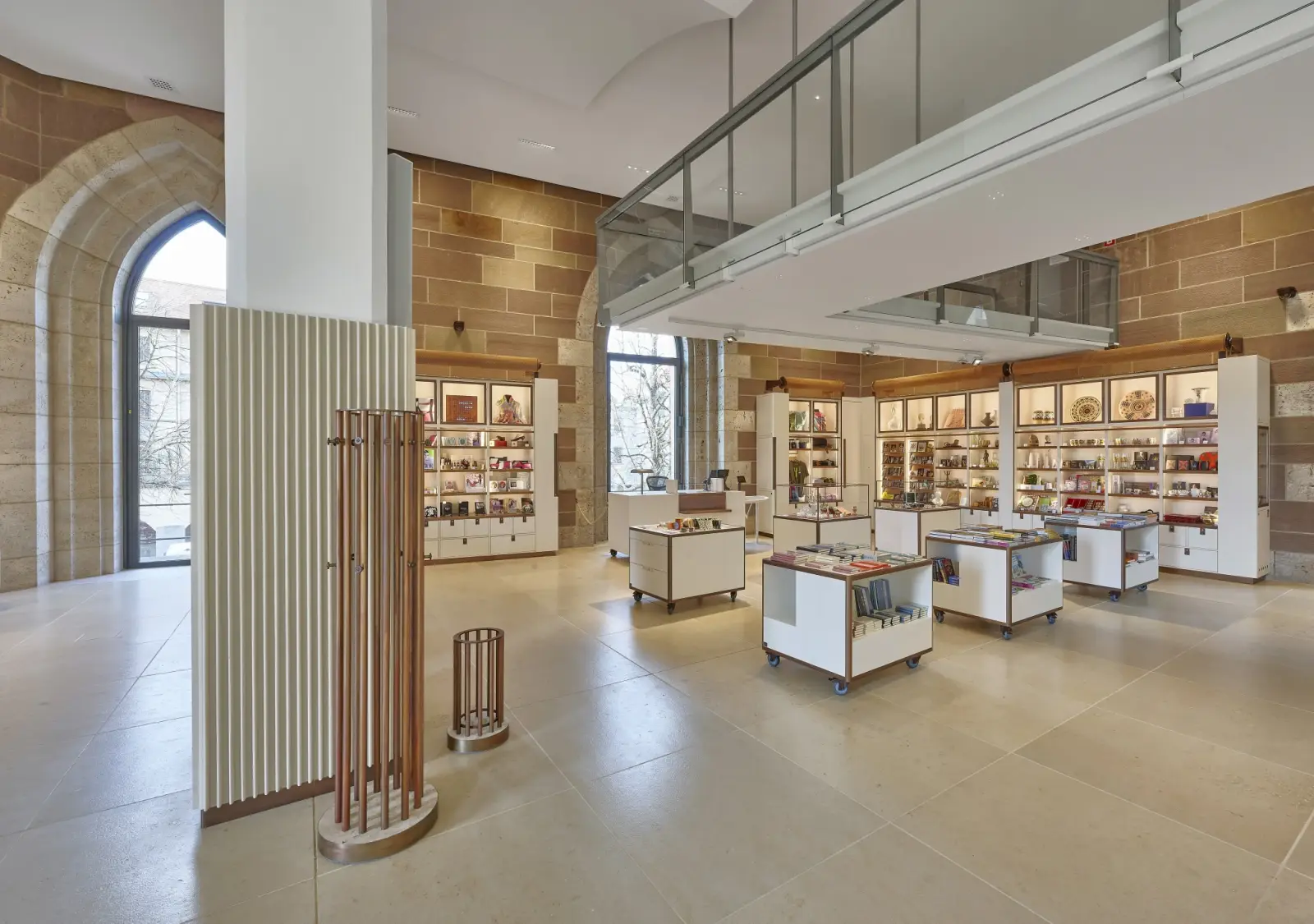
Processes
See all processesPatination
From a light brown tone to a strong green. The colour comes from the copper itself, not from a coat of paint. Copper 02Browning
Deep, warm dark tones, even across the whole surface and on large batches too. Brass 03Oxidation
Controlled oxide layers. Predictable rather than accidental, with a reproducible result. Stainless steel 04Surface protection
On request we seal the finished surface with wax or lacquer. All metalsWhere it is used
All applicationsFrom a church roof to a high-rise dome to a wall in a hotel foyer. Patinated copper carries large continuous areas and works just as well in detail.
Copper façade and copper roof: patinated copper clads the roof spires of the Sinclair Tower in Vancouver and around 16,000 m² of roof at St Paulus Cathedral in Münster. The patina is created in our workshop in Nürtingen, evenly across the whole surface, before the sheet goes to site.
Façade and building envelope
- Rear-ventilated façades, cassettes and panels
- Large-format façade cladding
- Roofing, tower caps, domes
- Parapets, flashings, dormers
- Solar shading, louvres, sliding shutters
- Conservation and refurbishment work
Large interior surfaces
- Foyer and reception walls
- Ceiling surfaces and rafts
- Wall cladding across several storeys
- Lift lobbies and cabins
- Stairwells and balustrade infills
- Room dividers and screens
Fit-out and joinery
- Counters, bars, reception desks
- Furniture fronts and built-in units
- Portals and shopfront frames
- Door leaves and frames
- Mullion and transom infills, parapets
- Canopies and entrance portals
Detail
- Handrails and ironmongery
- Light fittings
- Signage and wayfinding
About ZinCuTec
Discover our storyWhere metal
becomes art.
Buildings shape their surroundings for decades. Our surfaces are part of that. Since the year 2000 we have finished metal surfaces in our own workshop in Nürtingen, for architecture, interiors and contract work.
- Made in Germany
- Sustainable materials
- Social responsibility
- Fairness
- Highest quality
How we work
Send an enquiryAdvice
We clarify material, surface and schedule before anything is ordered. We also say so when something will not work.
Samples
You hold the surface in your hand before it goes on the façade. Free of charge for architecture and design practices.
Finishing
The surface is produced in our own workshop. That is why the second batch looks like the first.
Delivery
Packed, edge-protected and scheduled to the site.
Surfaces
See all samples and order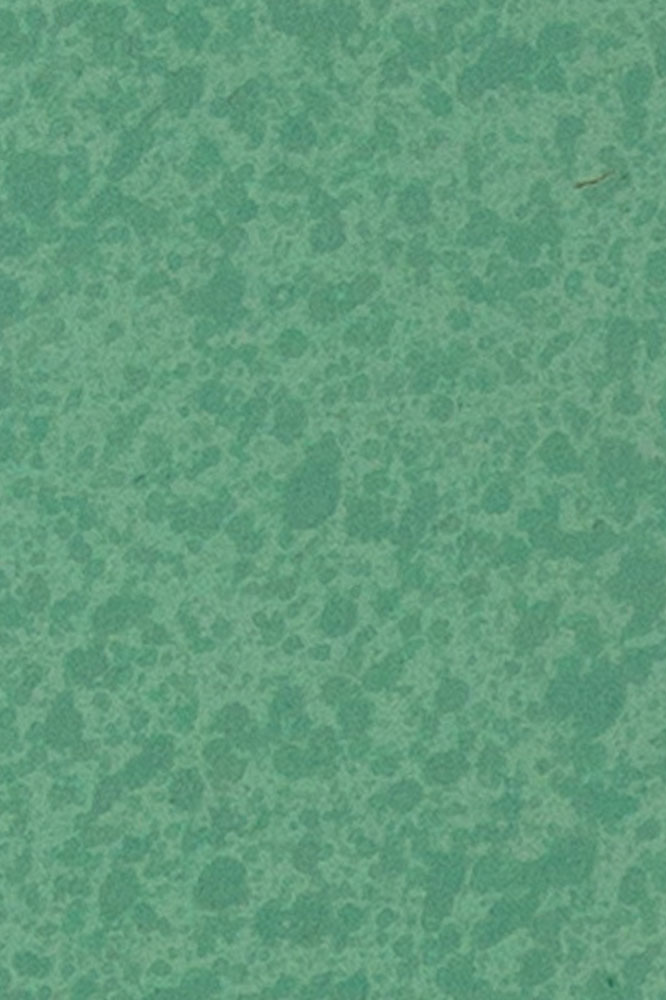
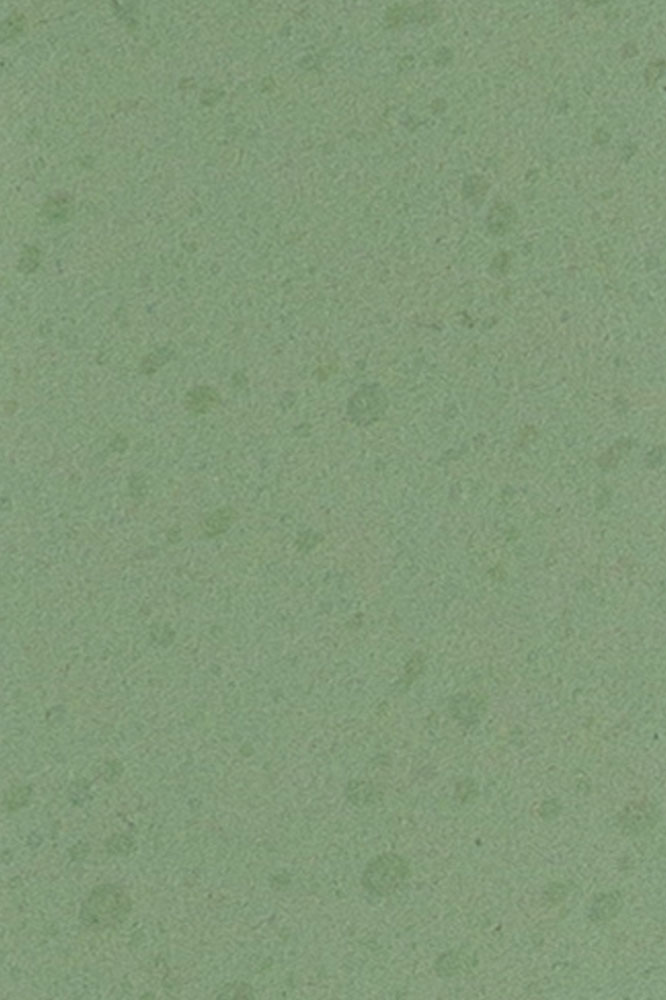
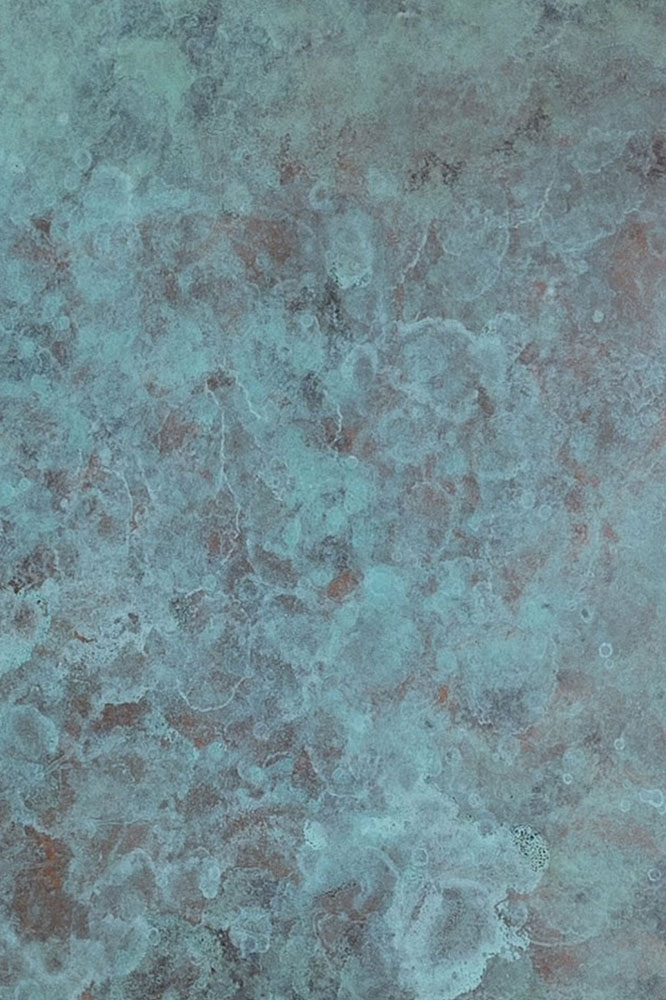
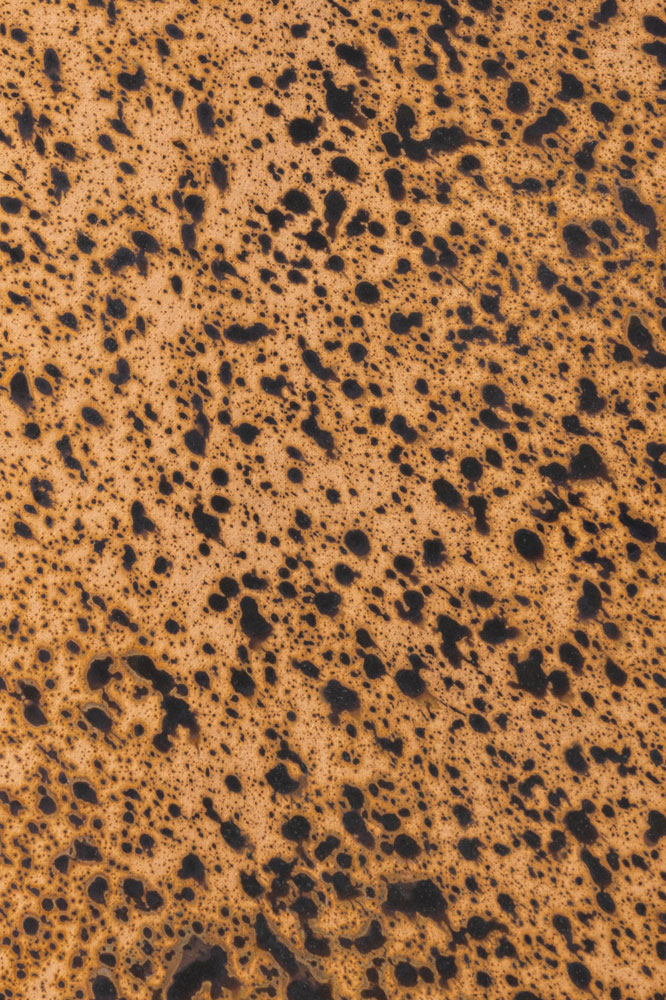
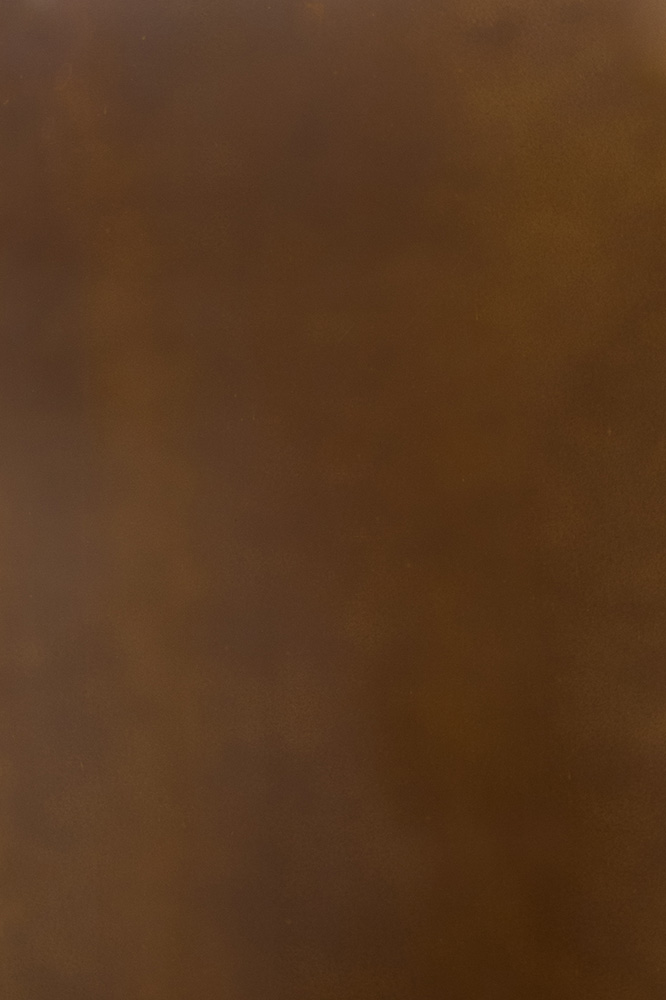
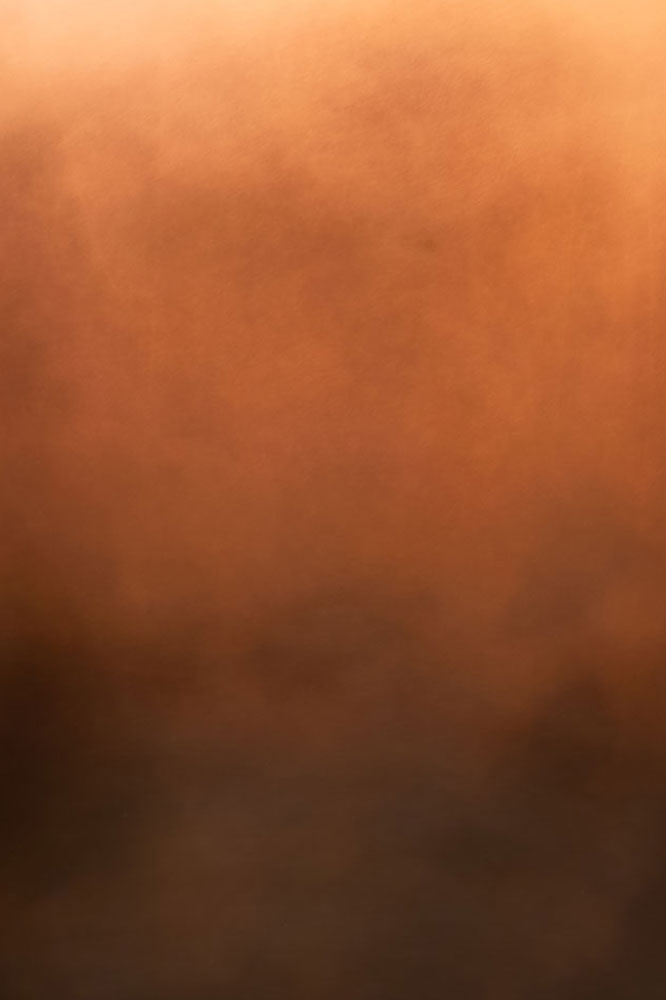
Samples are sent to architecture and design practices free of charge.
Frequently asked questions
How does patina form on copper?
Copper reacts with oxygen in the air to form copper oxide. This first layer darkens the metal from bright red gold through brown to almost black. Only over many years, under the influence of moisture and carbon dioxide, do basic copper carbonates form: the green patina known from copper roofs. Patination reproduces this process under controlled conditions in the workshop, so that the desired colour is there from day one.
Is every patinated surface unique?
Yes. Because the colour comes from a chemical reaction of the material and the process is guided by hand, every surface turns out slightly differently. The colour character is reproducible, the exact marking is not. For large continuous areas this should be considered early in the design.
How long does copper take to turn green on its own?
A very long time. Depending on location and weather, roughly ten to thirty years pass before the green carbonate layer has formed across the whole surface. Near the coast and in cities it happens faster, in dry air more slowly.
Along the way the surface passes through every intermediate stage: red gold, brown, dark brown, anthracite. Anyone who wants the final state from the start cannot avoid having the surface patinated in the workshop. That is exactly what the process is for.
Is copper compatible with other metals in construction?
Not with all of them, and this is a genuine design question. Copper is more noble than aluminium, zinc and galvanised steel. If these metals come into direct contact in the presence of moisture, the less noble metal is attacked and erodes. Engineers call this galvanic corrosion.
The same applies to run-off water: copper does not belong above zinc or aluminium components, because the water carries dissolved copper compounds with it.
It can be solved with separating, non-conductive layers or a substructure in stainless steel. What matters is that it is considered early.
Does patina protect the copper or attack it?
It protects it. The carbonate layer bonds firmly to the metal and slows further attack by air and moisture. Unlike rust on steel, which flakes off and carries the damage ever deeper, patina acts as a barrier.
This is why copper roofs last for centuries without the substance beneath them being lost.
Can run-off water stain the building elements below?
Yes, and this belongs in the detailed design early on. Rainwater running over an unsealed copper surface carries dissolved copper compounds with it. Where it meets pale materials such as natural stone, fair-faced concrete or render, greenish veils can appear over time.
It is avoided through standard detailing: controlled water routing, drip edges and gutters, so that the water does not run freely across sensitive surfaces. Considered in the design, the matter is settled.
What is the difference between patina and verdigris?
The two are constantly confused, but they are different substances.
Patina consists of basic copper carbonates. It forms through air, moisture and carbon dioxide, adheres firmly and is harmless. This is the green known from roofs.
Verdigris is copper acetate and forms through acetic acid. It is toxic, practically does not occur on buildings and has nothing to do with the patina on a façade.
Does the surface keep changing after installation?
That depends on the finish chosen. Left natural, the surface keeps reacting with its surroundings. Waxed, the process is slowed. Lacquered, the reaction is stopped completely.